Construction Debris Rules: Stay Compliant During Winter Renovations
Winter is prime time for quick remodels before year-end, but California construction waste rules don’t take a holiday. Whether you’re updating a bathroom in Los Angeles, replacing flooring in Anaheim, or refreshing a storefront in Riverside or San Bernardino, proper debris removal protects your project from fines and delays. New Haul Junk Removal provides fast demolition debris removal and demolition cleanup with eco-forward practices that align with California expectations and local guidelines.
Why winter projects need a debris plan in Southern California
Shorter days, holiday schedules, and rain systems mean tighter timelines and greater risk of missed pickups or soggy job sites. A proactive debris plan keeps pathways safe, maintains productivity, and ensures compliance with local waste ordinances. With mixed materials—from tile and drywall to wood, metal, and concrete—sorting early helps you hit diversion targets required by many jurisdictions and accelerates every pickup.
How do you dispose of construction debris in California?
Most California cities require job sites to divert a percentage of construction and demolition waste from landfills, often through CALGreen-aligned programs. Practically, that means source-separating materials (wood, metal, concrete) or documenting diversion when using mixed C&D facilities. Use licensed haulers, keep loads covered in transit, and never place banned materials (e.g., certain hazardous wastes) in mixed debris. For public-right-of-way dumpsters, obtain permits and follow posted time windows. New Haul can haul non-hazardous debris and provide documentation from recycling facilities to support your records.
What can go in a typical construction debris load
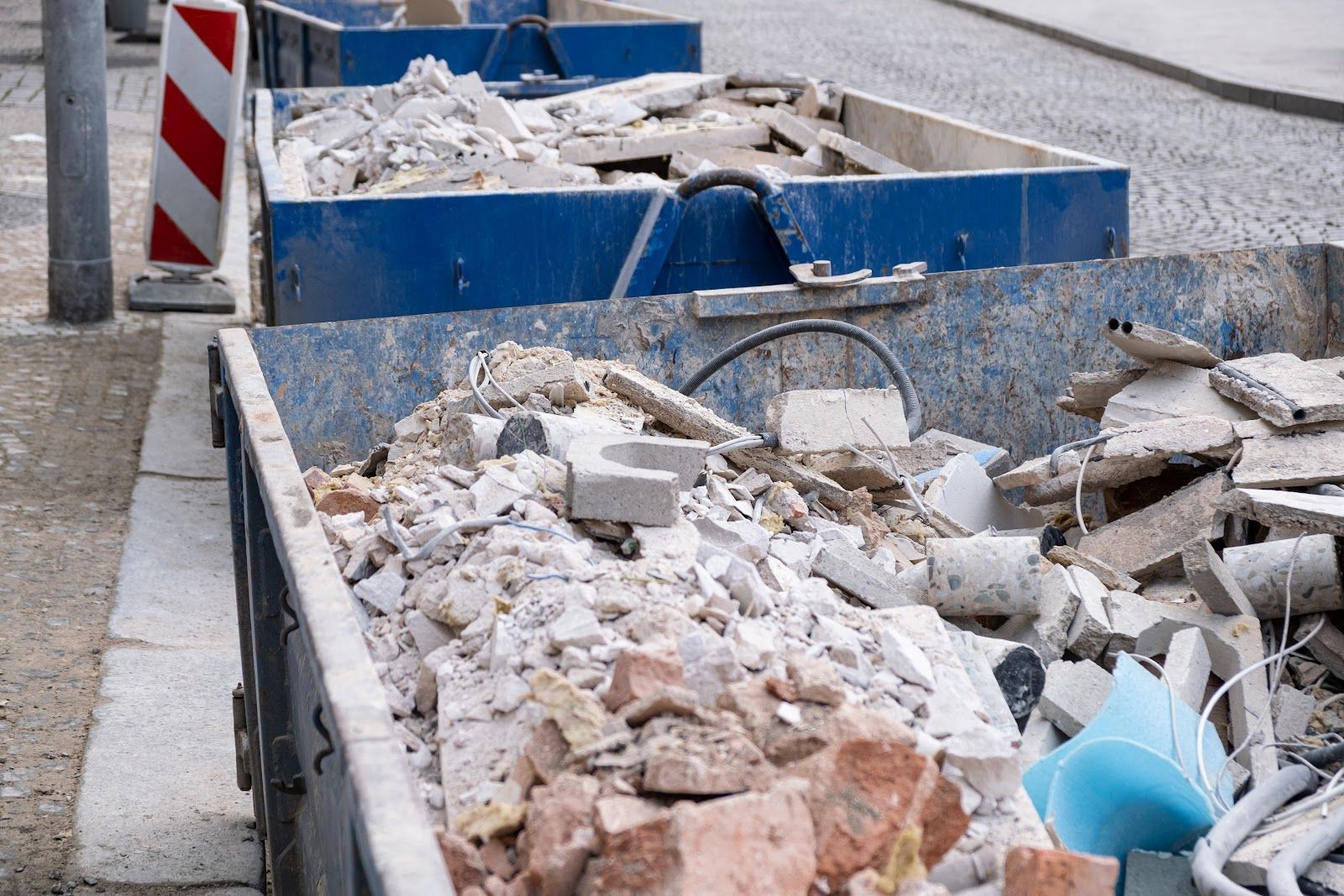
Allowed in mixed, non-hazardous C&D:
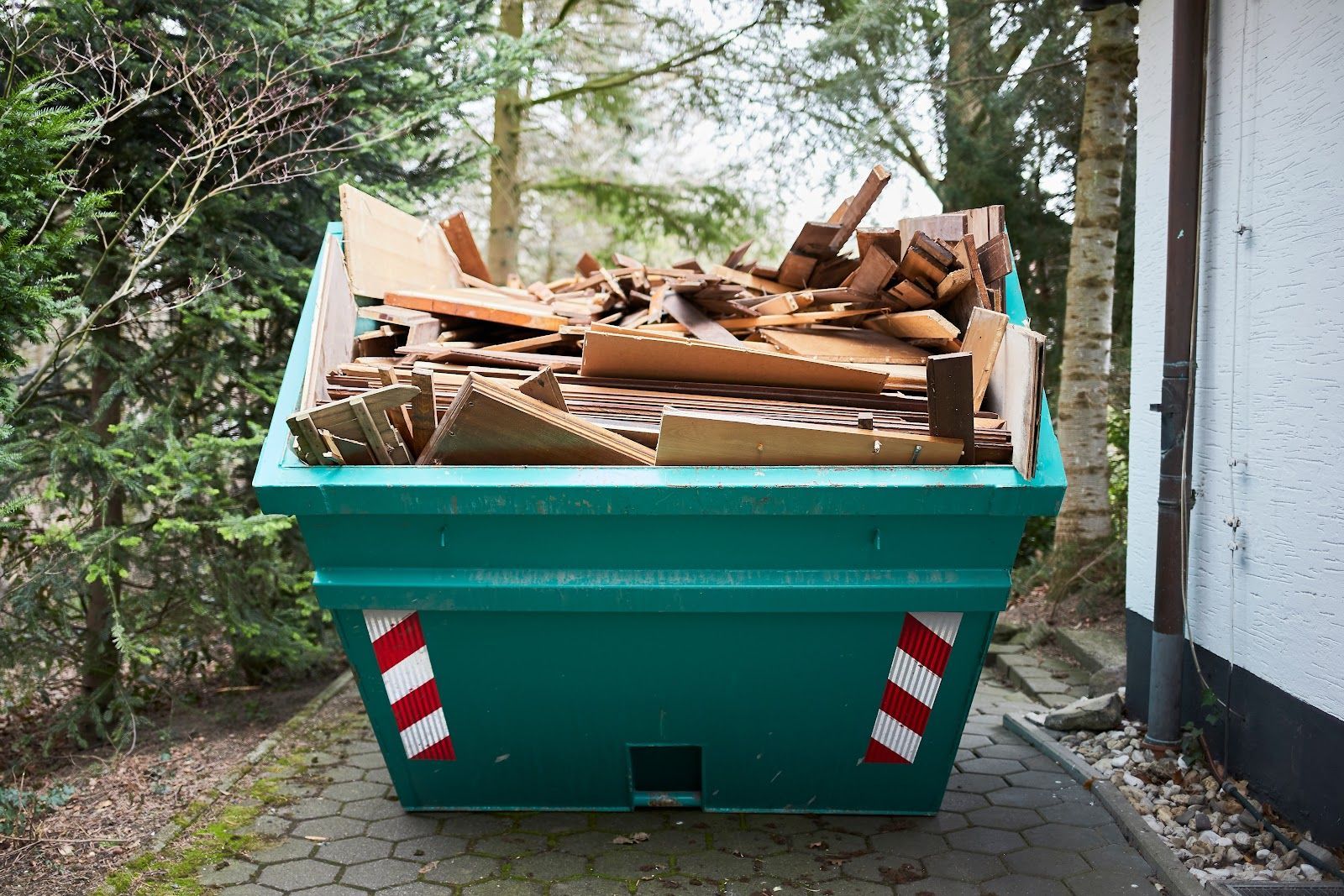
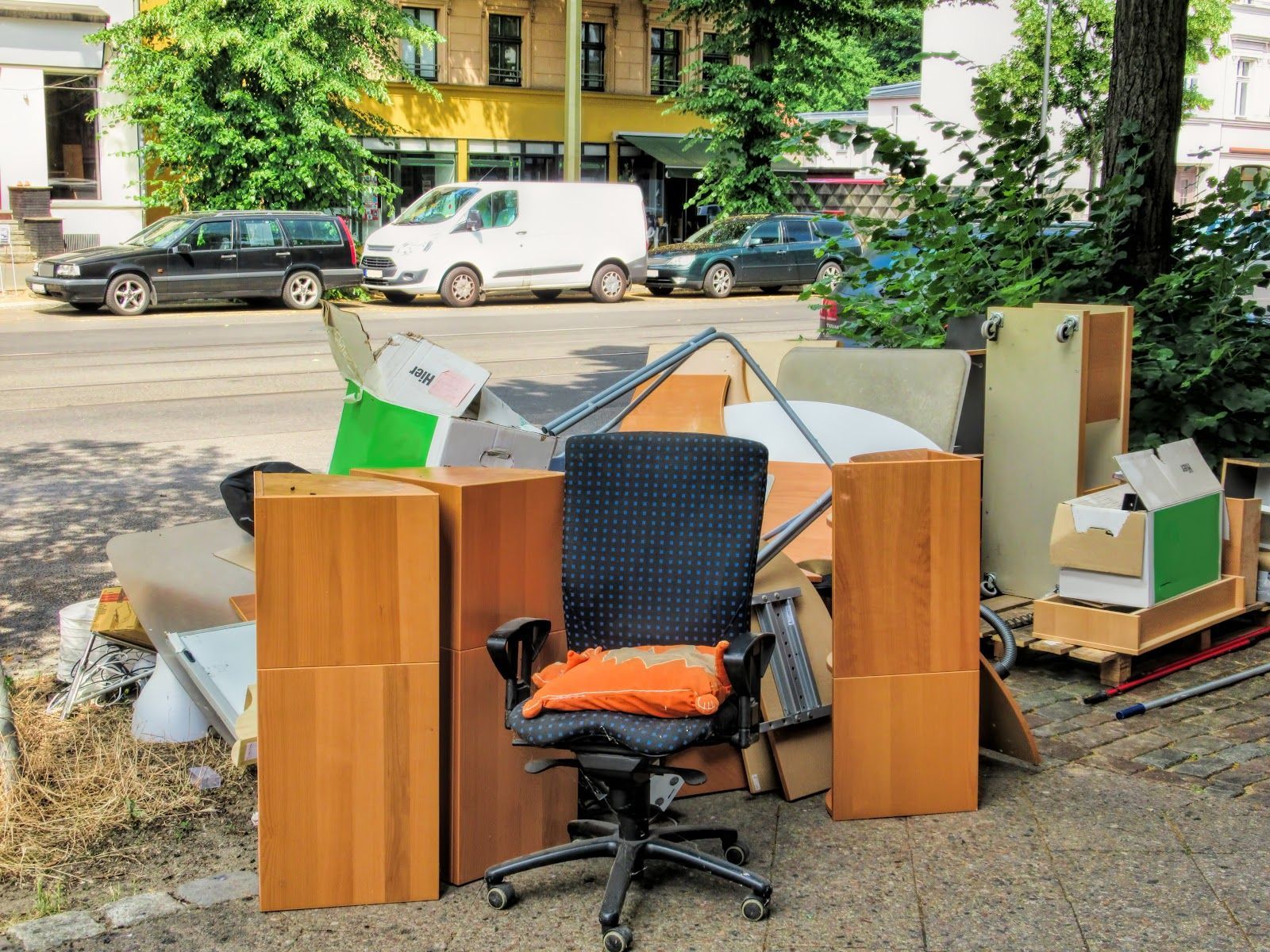
- Drywall, lumber, trim, doors, cabinets, and flooring
- Tile, toilets, tubs (minus freon appliances), sinks, countertops
- Roofing shingles (non-asbestos), insulation (non-hazardous), windows
- Metal studs, fixtures, rails, and clean scrap metal
- Concrete, brick, and masonry (ideally separated for highest diversion)
Items requiring special handling or different channels:
- Paint, solvents, adhesives, fuels, and propane
- Asbestos-containing materials, lead-based paint debris
- Treated wood waste (TWW), certain roofing mastics
- Batteries, fluorescent lamps, and mercury thermostats
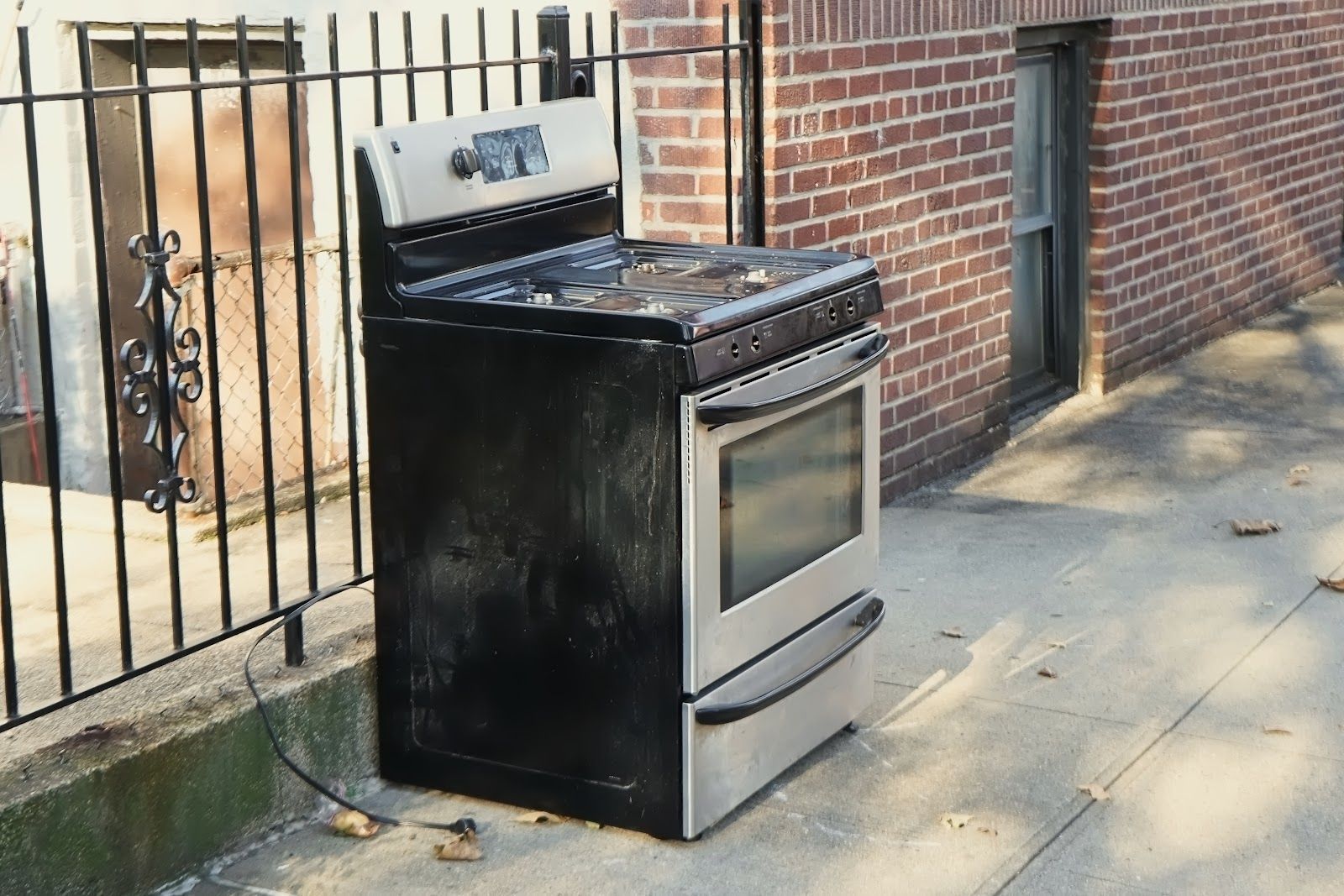
- Refrigerants from HVAC or appliances (requires certified recovery)
If you’re unsure, send photos. We’ll confirm what we can haul and point you to compliant county household hazardous waste resources for restricted materials.
Sort smarter to hit CALGreen-style diversion goals
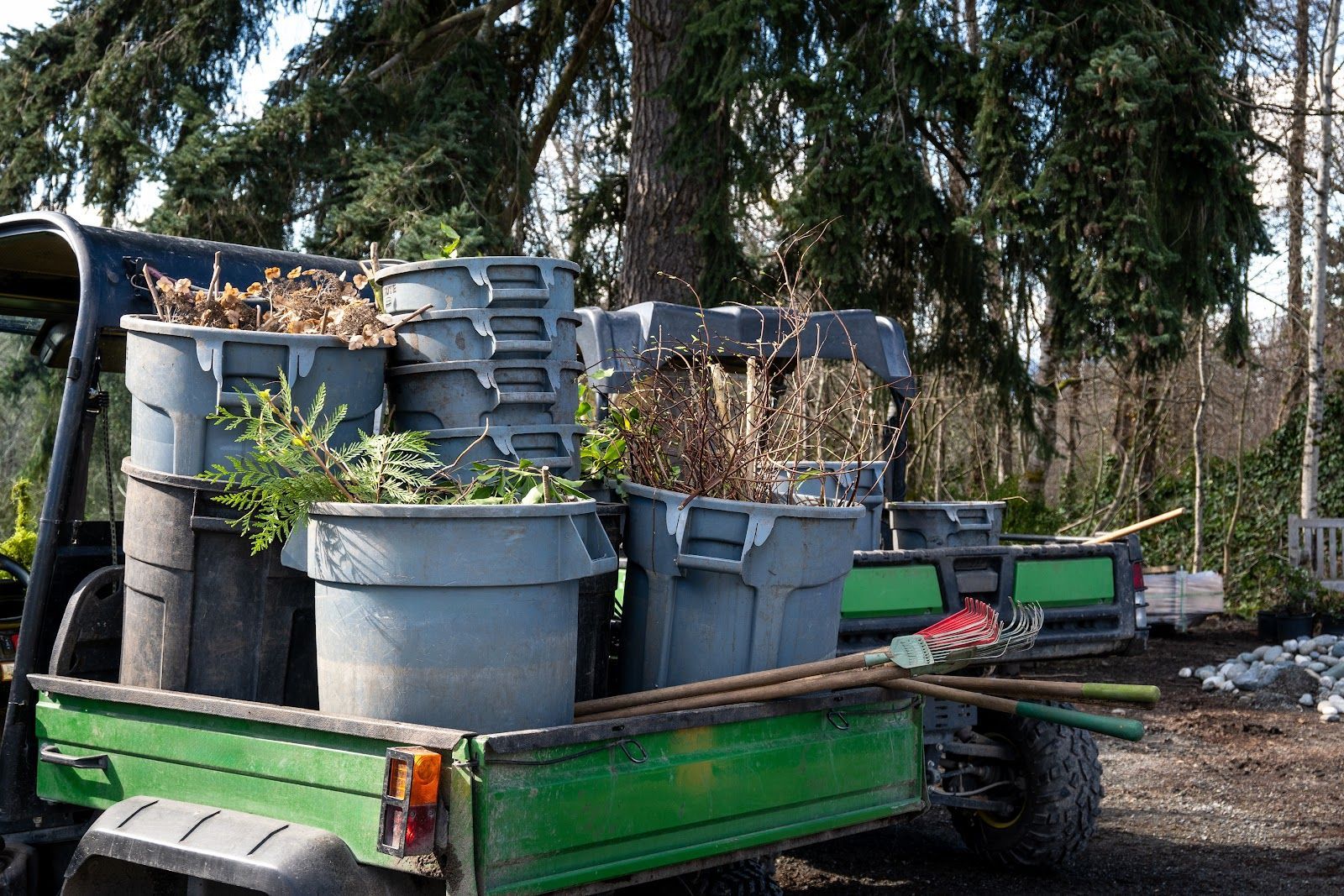
- Stage separate piles: wood, metal, concrete/masonry, and general mixed debris.
- Keep concrete clean (no rebar-heavy composites) for better recycling rates.
- Use labeled bins on site to reduce cross-contamination and rework.
- Protect piles with tarps before rain; wet gypsum and cardboard contaminate loads.
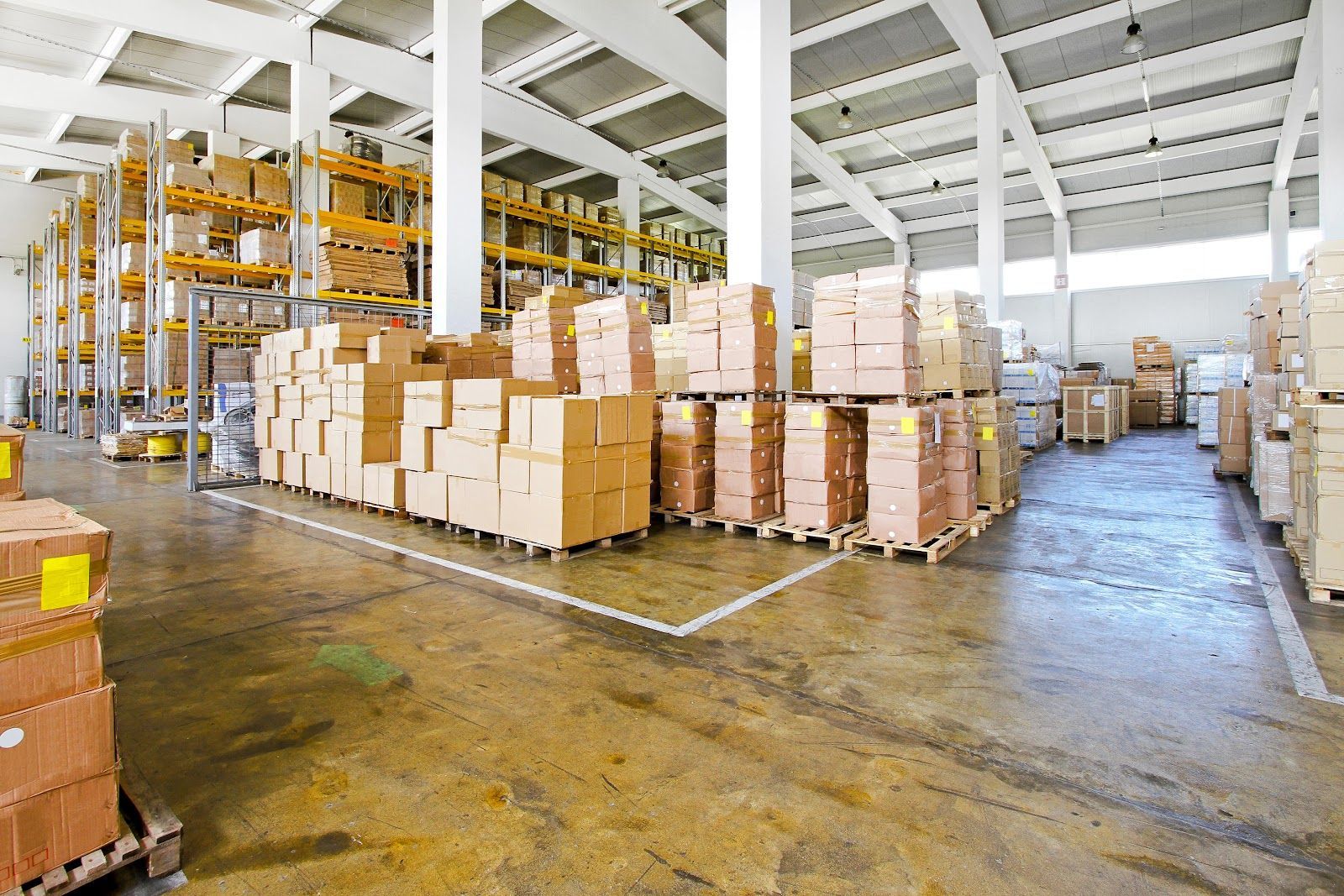
- Keep cardboard and pallets dry for easy recycling and faster dock times.
Local logistics that keep jobs moving
- Los Angeles County and Orange County: Public-right-of-way placement may require a permit; plan around street sweeping and event closures. Many multi-tenant buildings require COI and loading dock reservations.
- Riverside County and San Bernardino County: Notify security for gated access, long driveways, and low-clearance entries; share site maps so we can stage for a single efficient loadout.
- Storm readiness: Winter rain can increase slip hazards and add weight to debris. Cover stockpiles, maintain clear access routes, and schedule pickups ahead of known weather systems.
Documentation and compliance support
Contractors and property managers often need proof of diversion. While New Haul is not a permitting agency, we provide itemized invoices and, when applicable, weight tickets or facility receipts from C&D recycling centers. That transparency helps you document recycling rates and answer inspector questions on demolition services and construction waste handling.
How New Haul Junk Removal helps your winter renovation
- Fast, professional debris removal with crews trained for tight access and elevator moves
- Light demolition support for non-structural removals prior to renovation
- Priority sorting for metals and concrete to improve diversion outcomes
- After-hours pickups to avoid disrupting retail or office operations
- Clear guidance on restricted materials and referrals to compliant disposal options
Finish the year strong—with a clean, compliant jobsite
Keep your winter renovation on schedule and aligned with California rules. Book demolition debris removal and demolition cleanup with New Haul Junk Removal across Los Angeles County, Orange County, Riverside County, and San Bernardino County. Enjoy flexible scheduling, eco-conscious practices, and clear documentation. Call us or schedule online at https://www.newhauljunkremoval.com/ to reserve your pickup and keep your project moving without compliance headaches.
Share This Blog